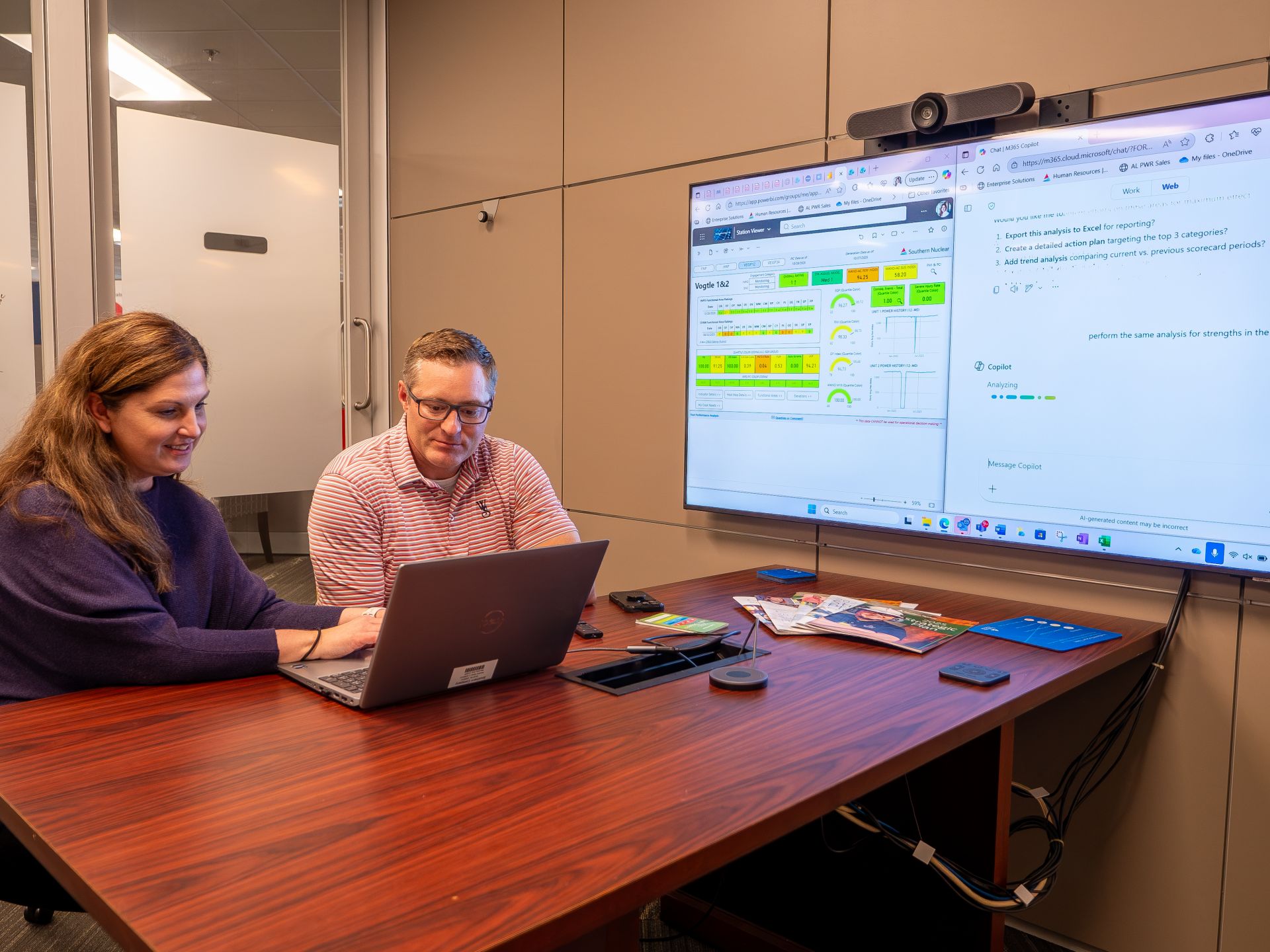
Fleet organizational effectiveness director Melissa Moran (left) and fleet performance improvement manager Jake Olivier use the OR/PI AI agent to assist in a review of plant performance metrics. (Photo: Southern Nuclear)
Southern Nuclear is leading the charge in artificial intelligence integration, with employee-developed applications driving efficiencies in maintenance, operations, safety, and performance.
The tools span all roles within the company, with thousands of documented uses throughout the fleet, including improved maintenance efficiency, risk awareness in maintenance activities, and better-informed decision-making. The data-intensive process of preparing for and executing maintenance operations is streamlined by leveraging AI to put the right information at the fingertips for maintenance leaders, planners, schedulers, engineers, and technicians.
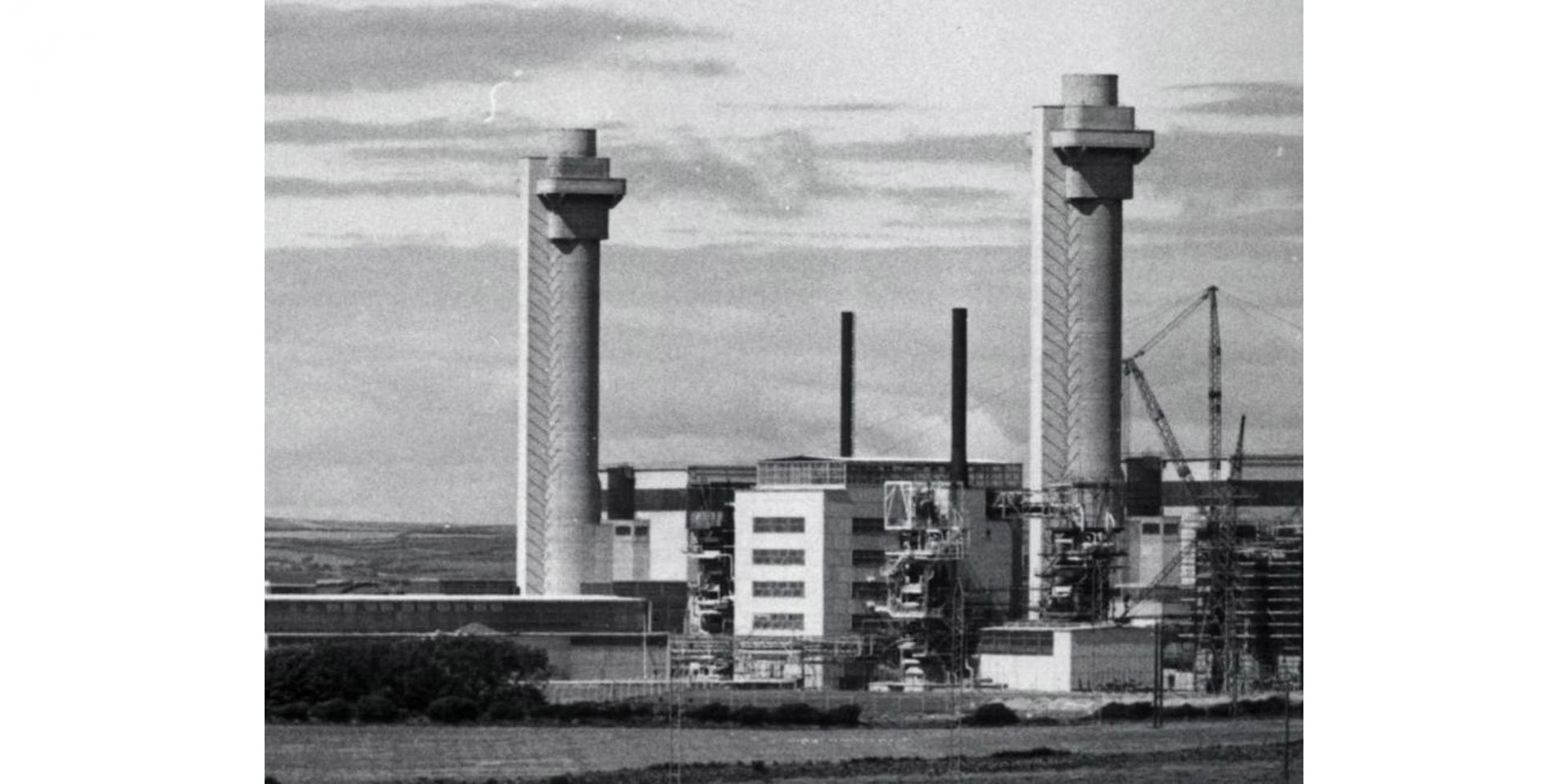
The Windscale Piles, circa 1956. (Photo: DOE)
The core of Pile No. 1 at Windscale caught fire in the fall of 1957. The incident, rated a level 5, “Accident with Wider Consequences,” by the International Nuclear and Radiological Event Scale (INES), has since inspired nuclear safety culture, risk assessment, accident modeling, and emergency preparedness. Windscale also helped show how important communication and transparency are to gaining trust and public support.
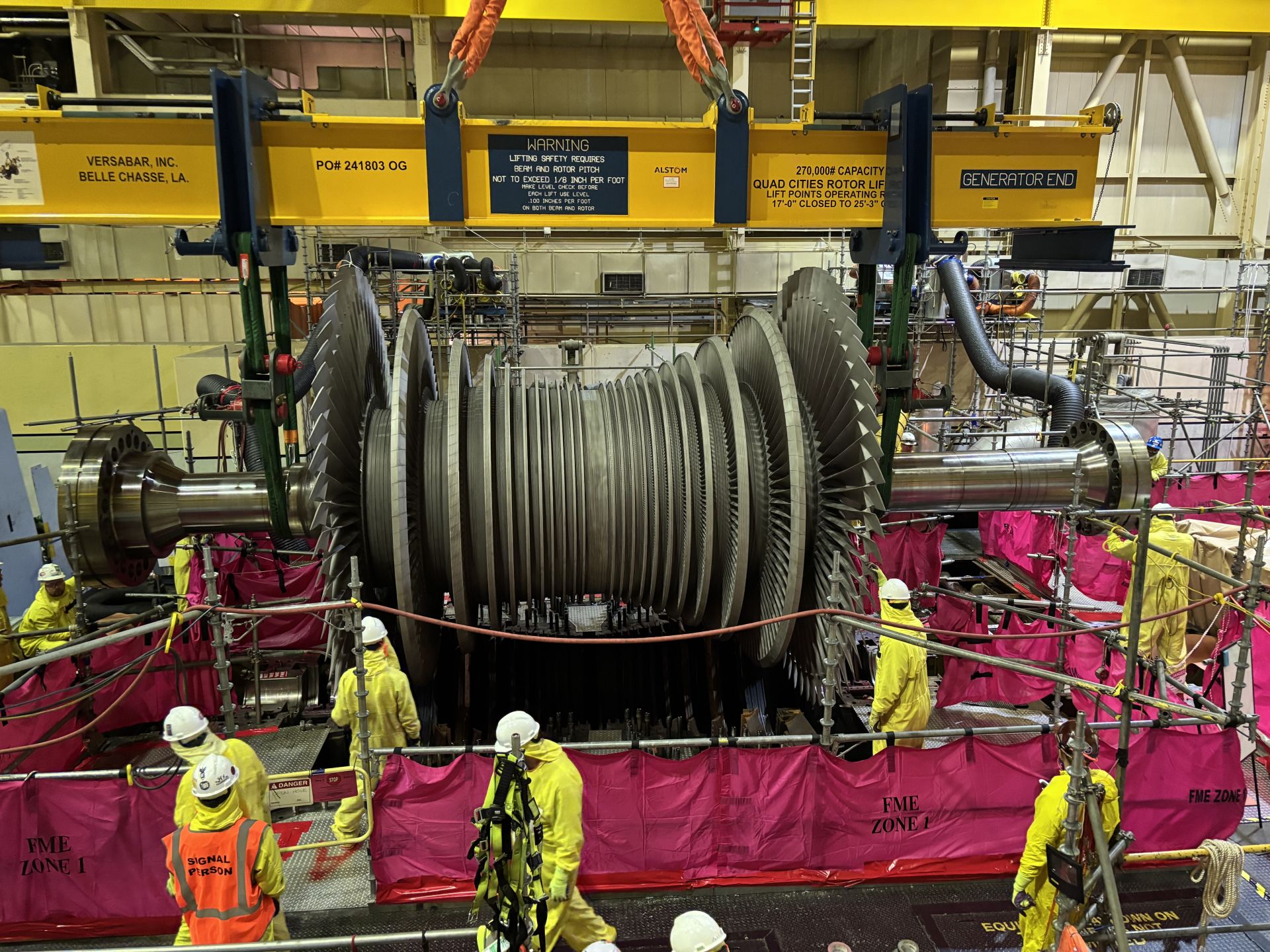
December 12, 2025, 2:59PMNuclear NewsSteve Myers and Bill Campbell A low-pressure turbine inspection in progress at Quad Cities-2 in the spring of 2024. The last-stage blades under inspection are at each end of the turbine rotor. (Photo: Constellation)
When Constellation decided to install replacement Alstom low-pressure turbines at three of its boiling water reactor plants more than 15 years ago, one benefit was knowing the new turbines should operate reliably—and without major inspections—for several years.
NN announces the 2025 40 Under 40 honorees
Last year, we proudly launched the inaugural Nuclear News 40 Under 40 list to shine a spotlight on the exceptional young professionals driving the nuclear sector forward as the nuclear community faces a dramatic generational shift. We weren’t sure how a second list would go over, but once again, our members resoundingly answered the call, confirming what we already knew: The nuclear community is bursting with vision, talent, and extraordinary dedication.
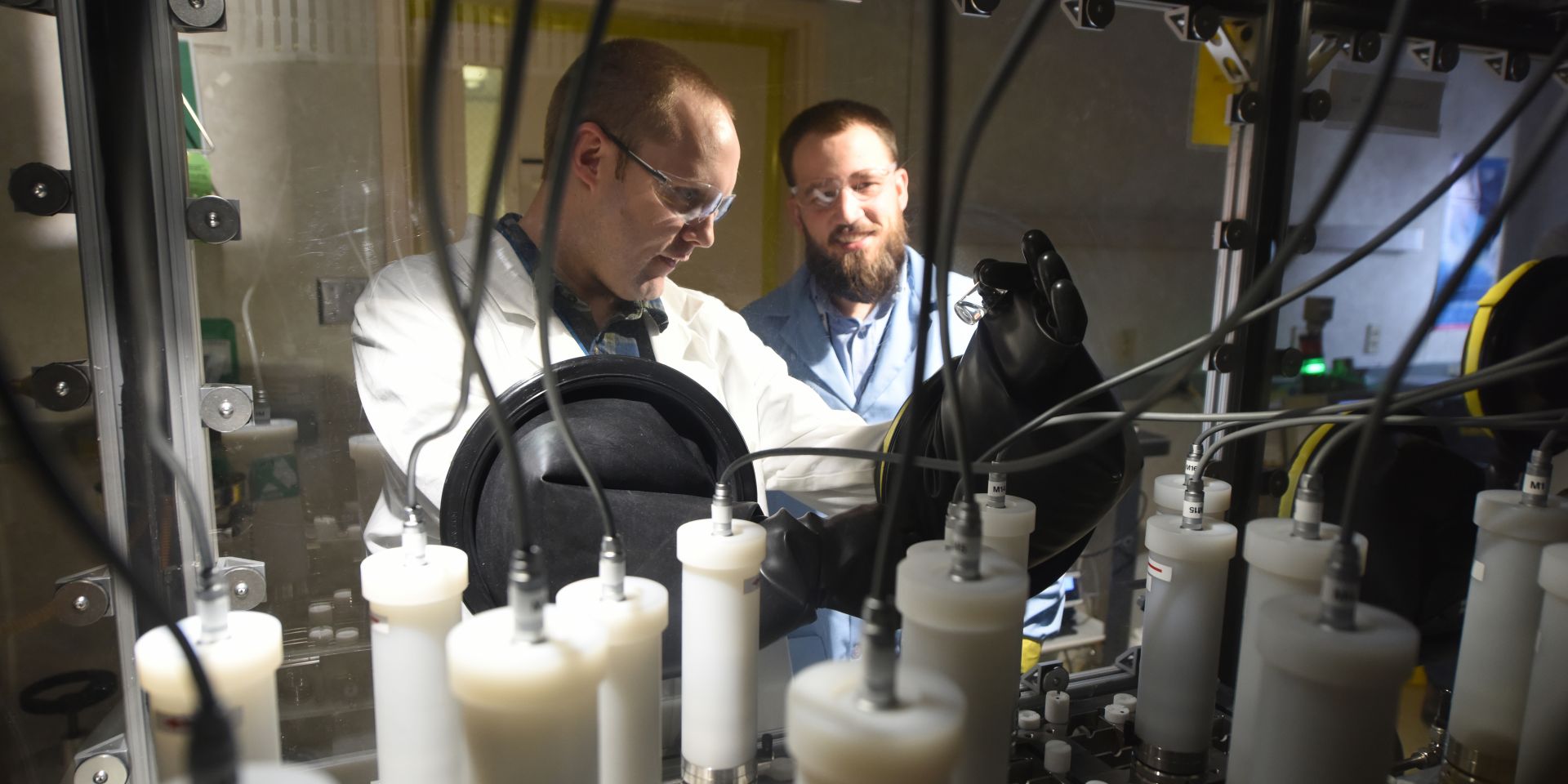
INL researchers inspect a sample from the HALEU purification solvent extraction process. (Photo: INL)
Idaho National Laboratory is playing a key role in helping the U.S. Department of Energy meet near-term needs by recovering HALEU from federal inventories, providing critical support to help lay the foundation for a future commercial HALEU supply chain. INL also supports coordination of broader DOE efforts, from material recovery at the Savannah River Site in South Carolina to commercial enrichment initiatives.
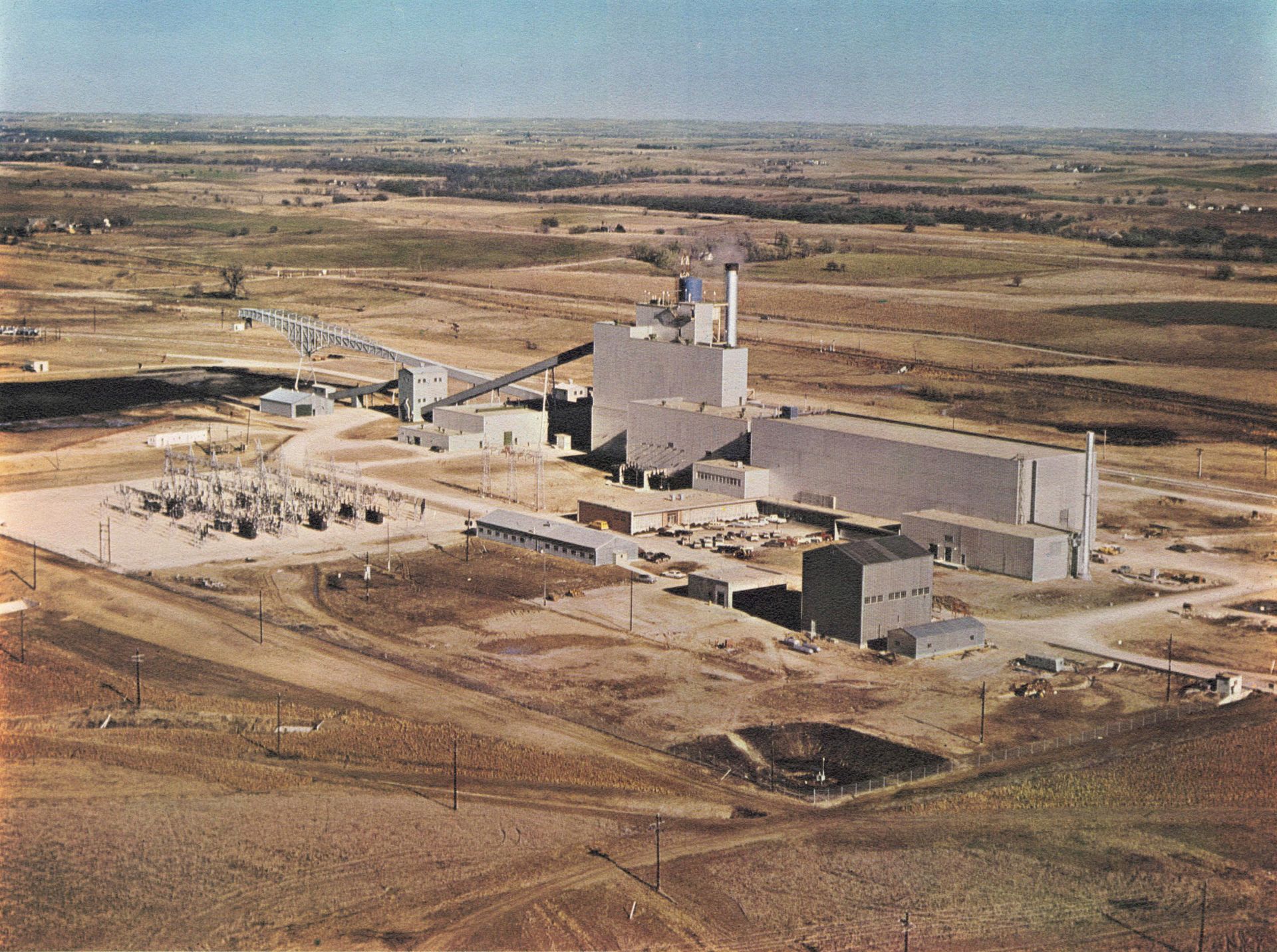
Sheldon Station (left), a coal plant, and the Hallam power plant, a sodium-cooled, graphite-moderated nuclear reactor. They shared a common turbine generator set. (Photo: U.S. AEC/public domain)
The Hallam nuclear power plant, about 25 miles southwest of Lincoln, Neb., was an important part of the Atomic Energy Commission’s Reactor Power Demonstration Program. But in the end, it operated for only 6,271 hours and generated about 192.5 million kilowatt-hours of electric power during its short, 15-month life.
May 26, 2025, 9:50AMUpdated October 17, 2025, 4:55PMNuclear NewsCory Hatch Commercial nuclear fuel rods being unloaded from cask inside a HFEF hot cell. (Photo: INL)
At the Idaho National Laboratory Hot Fuel Examination Facility, containment box operator Jake Maupin moves a manipulator arm into position around a pencil-thin nuclear fuel rod. He is preparing for a procedure that he and his colleagues have practiced repeatedly in anticipation of this moment in the hot cell.
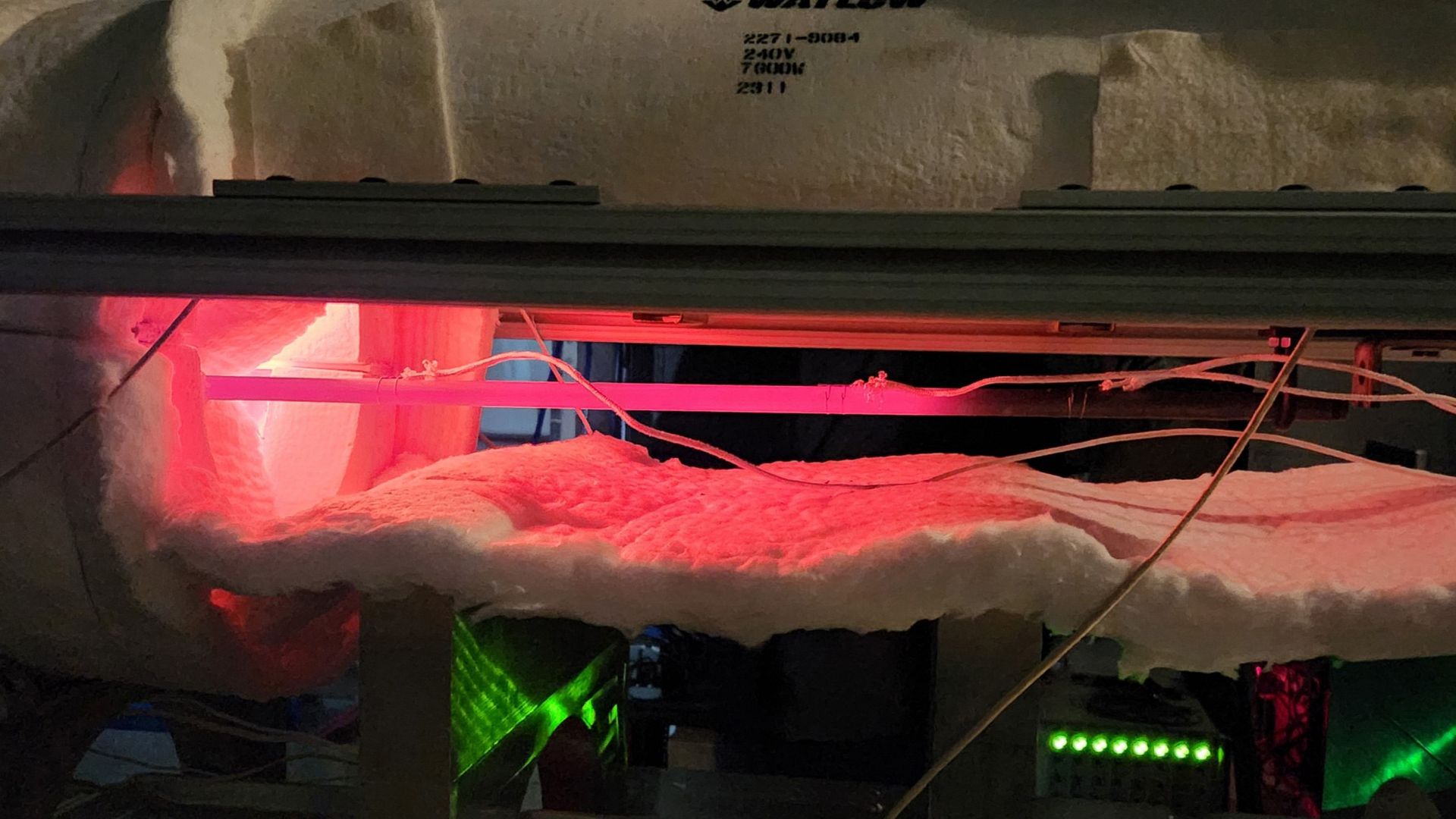
October 10, 2025, 4:42PMNuclear NewsIlyas Yilgor, Mauricio Tano, Katrina Sweetland, Joshua Hansel, and Piyush Sabharwall A high-temperature heat pipe glows during operation at ~800°C at INL’s SPHERE test facility. (Photo: INL)
Idaho National Laboratory under the Department of Energy–sponsored Microreactor Program recently conducted a comprehensive phenomena identification and ranking table (PIRT) exercise aimed at advancing heat pipe technology for microreactor applications.

-3 2x1.jpg)




 Here is a recap of recent industry happenings: