Diablo Canyon advocacy, Midwest nuclear legislation among April state news items
Pending, passed, and coveted legislation involving nuclear energy made their way across multiple state capitol buildings in the month of April. Here are a few notable updates from California, Iowa, Kentucky, and Missouri.
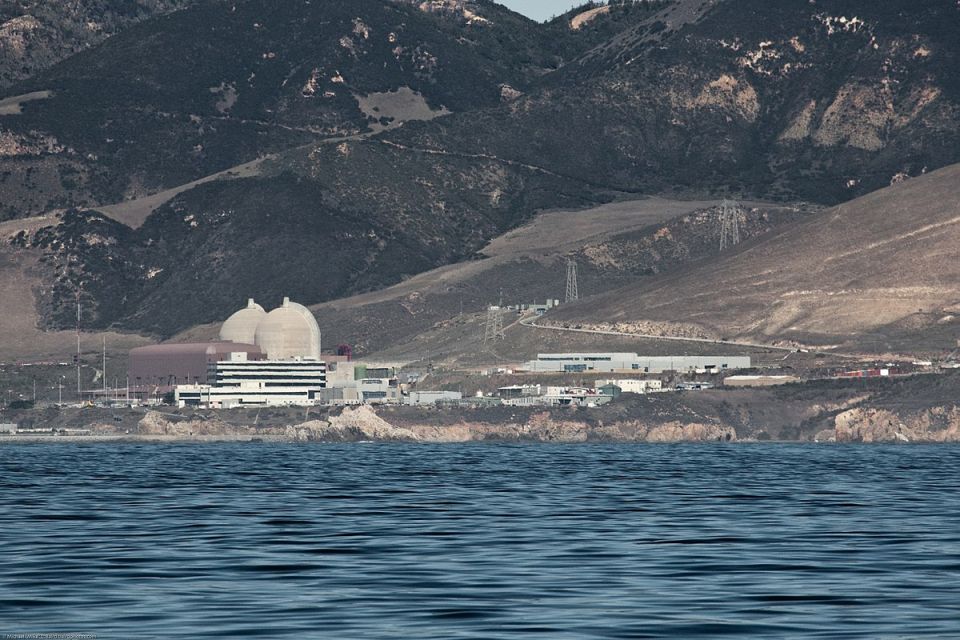
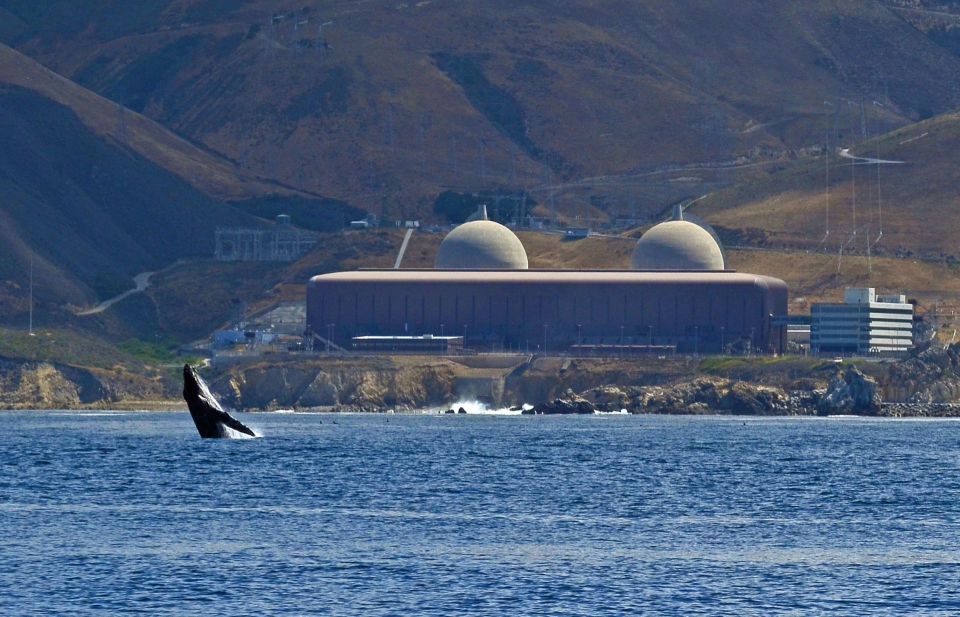
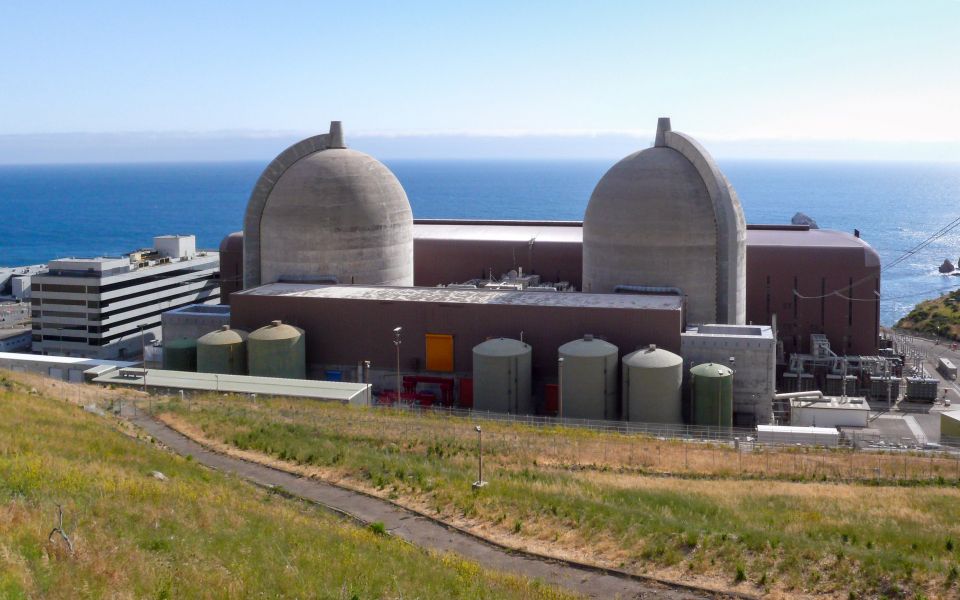
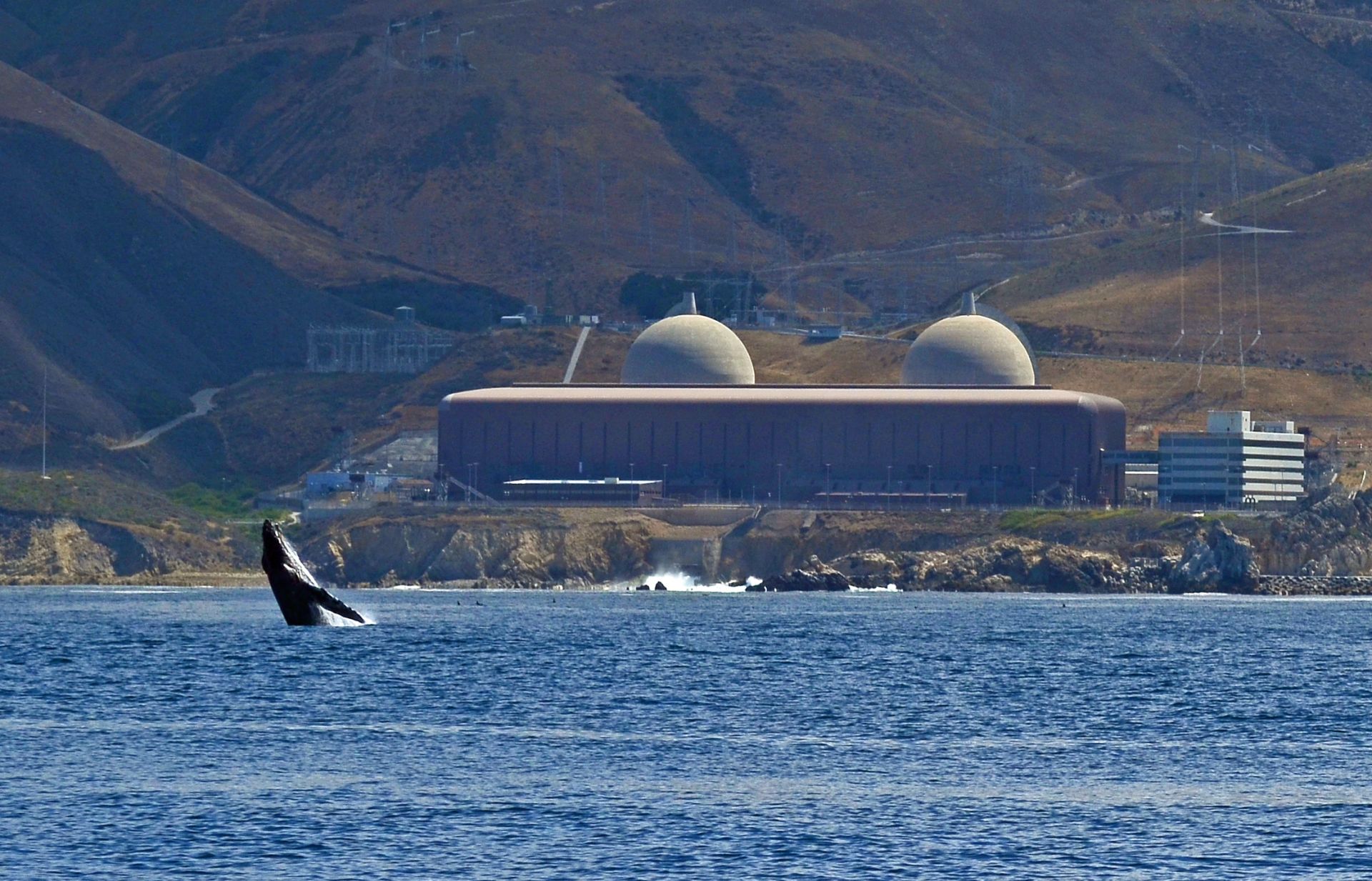
California: More than two dozen organizations in California have banded together to form Diablo Canyon 2045, urging lawmakers to keep the state’s last remaining commercial nuclear power plant open into 2045.
Earlier in April, the Nuclear Regulatory Commission approved Pacific Gas & Electric’s application to extend the operating licenses for Diablo Canyon-1 and -2 until 2044 and 2045, respectively. However, state law requires the California Legislature to approve any extension of operations past 2030.
In an announcement of its launch, Diablo Canyon 2025 said there are several reasons to keep Diablo Canyon open into the 2040s, including meeting the state’s clean energy goals, meeting future energy demands, and saving ratepayers money on their utility bills.
“Extending the life of Diablo Canyon this year will set California on a path to save customers money on their bills and ensure the state has a reliable source of clean energy as demand is expected to double by 2045,” Bay Area Council interim president and CEO John Grubb said. “California must not take a step backwards on our climate goals and rely on fossil fuels to backfill energy needs.”
Iowa: Legislators moved closer to passing a bill that would grant sales and use tax exemptions for new or restarted nuclear power plants in Iowa. On Tuesday, the Iowa Senate approved an amended version of the bill, House File 2757, that now heads back to the Iowa House. The House approved the original bill on April 15.
According to the bill’s fiscal note, the proposal creates tax exemptions for the construction and expansion of nuclear facilities, including those restarting from decommissioned status. To qualify, a power plant must commence commercial operations on or after January 1, 2028. The facility must also contribute annually for up to four years to a nuclear energy workforce fund. This fund would establish and maintain nuclear energy workforce programs at Iowa’s public universities.
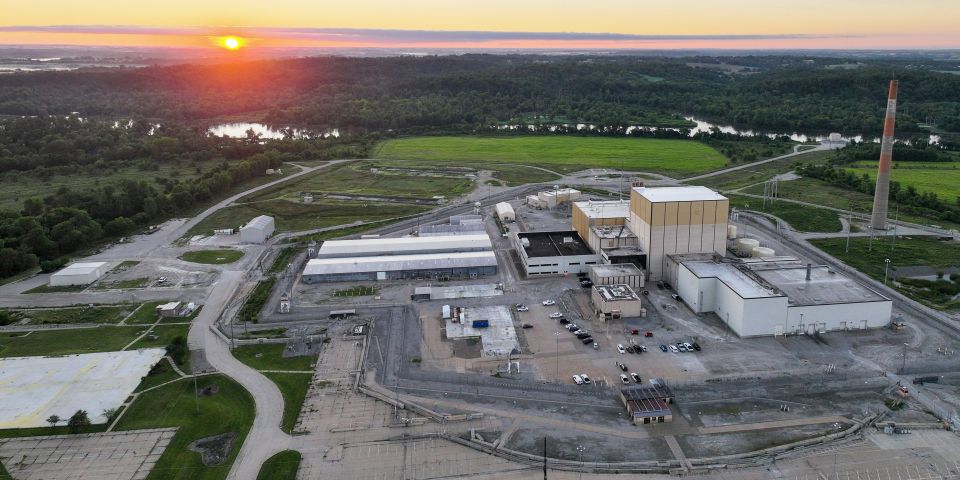
Iowa’s only power plant, Duane Arnold, is in the process of restarting after being shut down in 2020. Its operator, NextEra Energy, is targeting the restart for the first quarter of 2029.
Kentucky: On April 8, Gov. Andy Beshear signed into law Senate Bill 57, which creates the Nuclear Reactor Site Readiness Pilot Program. This legislation establishes grant funding for site development and licensing to spur nuclear energy growth in Kentucky.
According to the bill’s fiscal impact statement, the measure authorizes the state legislature to award grants to eligible applicants for up to one-third of the costs associated with obtaining early site permits, construction permits, or operating licenses for nuclear energy projects, capped at $25 million per project.
“Decisions at the federal level are causing costs to rise, and Americans across the country are feeling it at the grocery, gas pump, and when their bills come at the end of the month,” Beshear said. “In Kentucky, we’re doing what we can to help our families.”
This bill was signed alongside a separate mortgage rates piece of legislation. “These two pieces of legislation will help more families achieve homeownership by lowering mortgage rates and potentially lower utility rates for Kentuckians over the long term,” Beshear said.
Missouri: The Missouri House of Representatives approved the Missouri Nuclear Clean Power Act on April 7. This legislation would allow utilities building new plants with a capacity of up to 600 MW to include “construction work in progress” costs in customer utility bills. The state’s Public Service Commission would be tasked to figure out how much of these nuclear construction costs could be included in utility bills. Given that the bill targets facilities of 600 MW or smaller, it suggests that any future small modular reactor projects would be impacted.
It was approved by the state’s House of Representatives in a 95–53 vote. The bill was then referred to the Missouri Senate’s Commerce, Consumer Protection, Energy and the Environment committee. A similar bill was introduced last year but did not gain traction.