-3 2x1.jpg)
Gov. Evers announces siting study for new Wisconsin nuclear
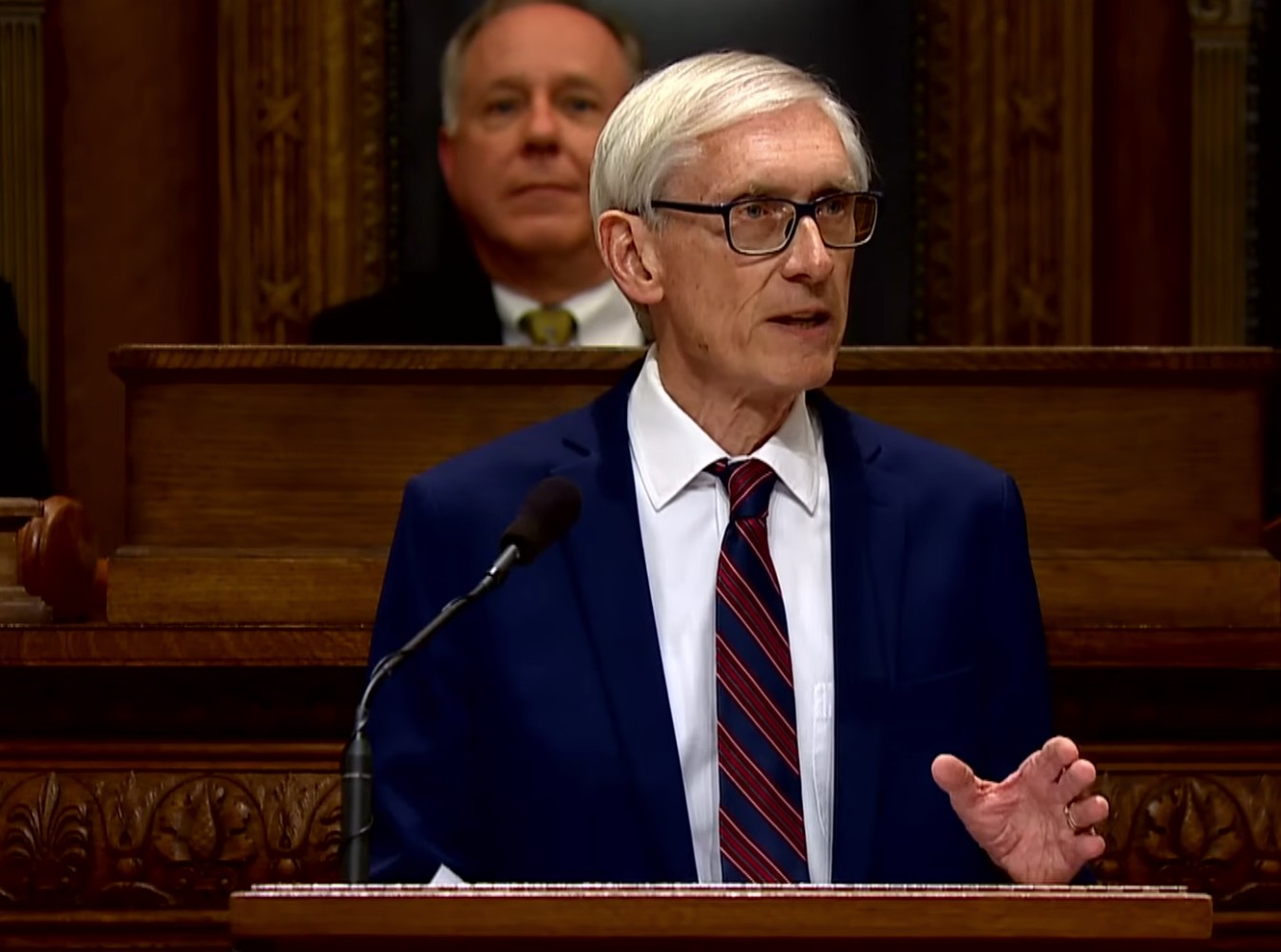
Gov. Tony Evers delivering his 2026 State of the State address. (Photo: Tony Evers/YouTube @Governor Tony Evers)
During his State of the State address on February 17, Wisconsin Gov. Tony Evers announced the launch of a new nuclear siting study that will be undertaken by a partnership between the Public Service Commission (PSC) of Wisconsin and the Department of Nuclear Engineering and Engineering Physics at the University of Wisconsin–Madison.
The legislation: In July 2025, Evers signed S.B. 125, the bill that formally called for this new siting study. The legislation lays out the multifaceted nature of the study, stating that it will do the following:
- Identify both fission and fusion project opportunities at existing nuclear and nonnuclear power plants.
- Identify both fission and fusion opportunities at greenfield sites.
- Identify sites for the development and demonstration of advanced reactors.
- Develop guidance on advanced fission and fusion technologies.
- Engage with the Nuclear Regulatory Commission to gain insight into the regulatory processes for small modular reactors.
It also calls for the study to consider a 2024 Department of Energy report on the potential for siting new nuclear plants near current and retired coal power plants and sets a deadline for completion of the study by the beginning of 2027.
Looking ahead: S.B. 125 charged the PSC with conducting this study but left the door open for potential collaboration with a third party. Evers’s State of the State address highlighted a previously unannounced memorandum of understanding between the PSC and UW-Madison, which was signed on January 5.
In an announcement, the PSC said that the study will be further assisted by the expertise of both Oak Ridge and Pacific Northwest National Laboratories. The study will also draw on “feedback from recent experiences with the construction and operation of nuclear projects.”
More on fusion: In addition to this study, Evers announced that the Wisconsin Economic Development Corporation (WECD) has issued a $778,000 grant to the Wisconsin Fusion Energy Coalition. This new coalition is led by the 5 Lakes Institute and draws on UW-Madison’s fusion expertise.
According to the WECD, the coalition “expects to provide financial support to five start-up teams and technical assistance to over 80 companies in 18 months, resulting in 24 new jobs, three new product lines, and two company relocations or retentions.”
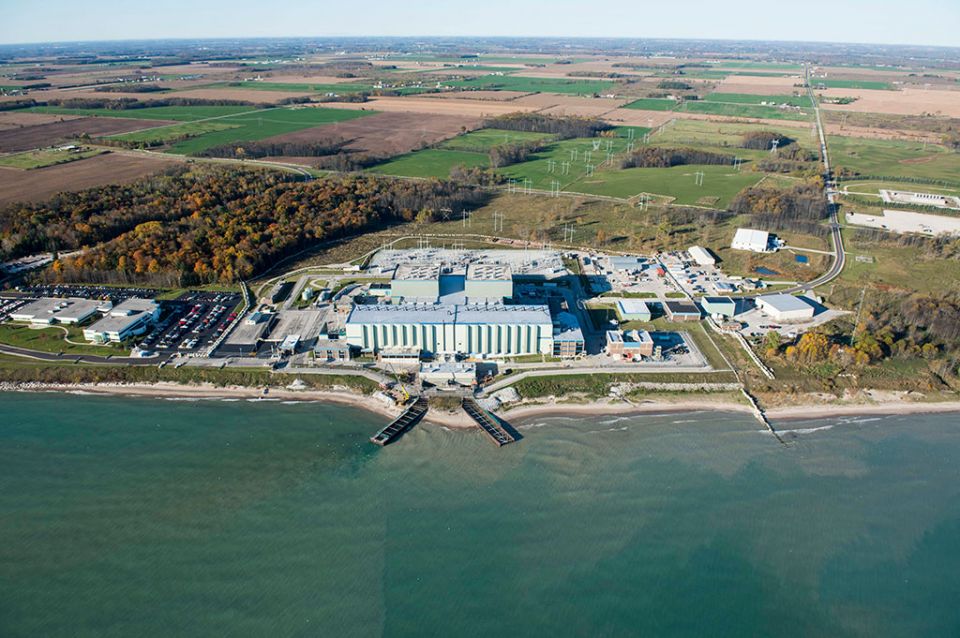
Broader sector: Wisconsin is currently home to one nuclear power plant, NextEra Energy’s Point Beach in Two Rivers. The site features two 615-MWe pressurized water reactors, which entered commercial operation in 1970 and 1972. The plant accounts for 16 percent of the state’s energy generation portfolio, according to the PSC’s most recent Strategic Energy Assessment.
Despite its small reactor fleet, Wisconsin is currently progressing on multiple fronts of nuclear development beyond this new siting study and fusion coalition.
- In January, EnergySolutions submitted a notice of intent to the NRC confirming its plans to submit an application for a “major licensing action” regarding new nuclear generation at the closed Kewaunee nuclear power plant.
- A.B. 472 recently passed through the Wisconsin State Assembly and is currently under consideration in the Senate Committee on Utilities, Technology, and Tourism. That bill would see the creation of a new tax credit for new nuclear power plants.
- In July 2025, Evers also signed S.B. 124, which orders the creation of a nuclear power summit board composed of a variety of state legislators and officials who will be responsible for organizing, promoting, and hosting a nuclear power summit in Madison.
- In May 2025, UW-Madison became the founding university partner of the new Great Lakes Fusion Energy Alliance.
Words from Evers: During his address, Evers said, “Nuclear energy is the largest source of clean power in our country, and it's a safe, reliable, carbon-free option to power our homes and business. This could be a game-changer for our state. I’m glad this work has received bipartisan support this session.”