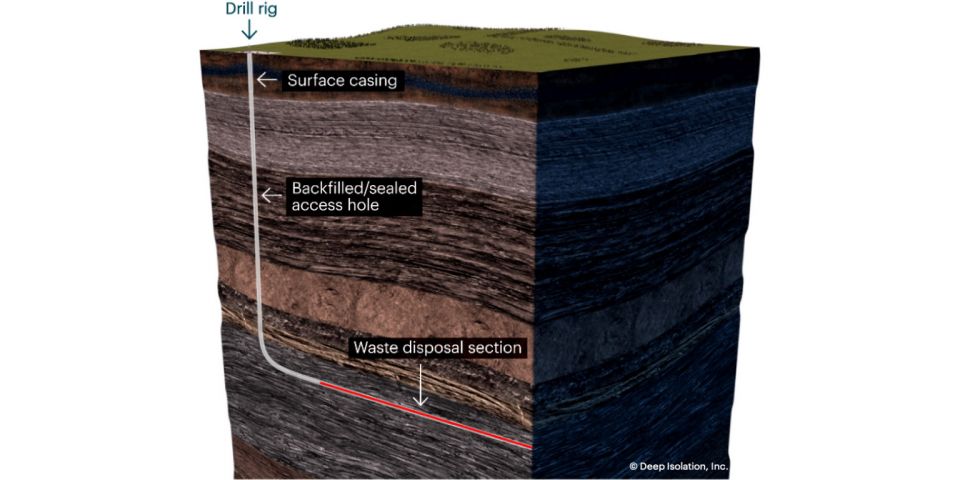
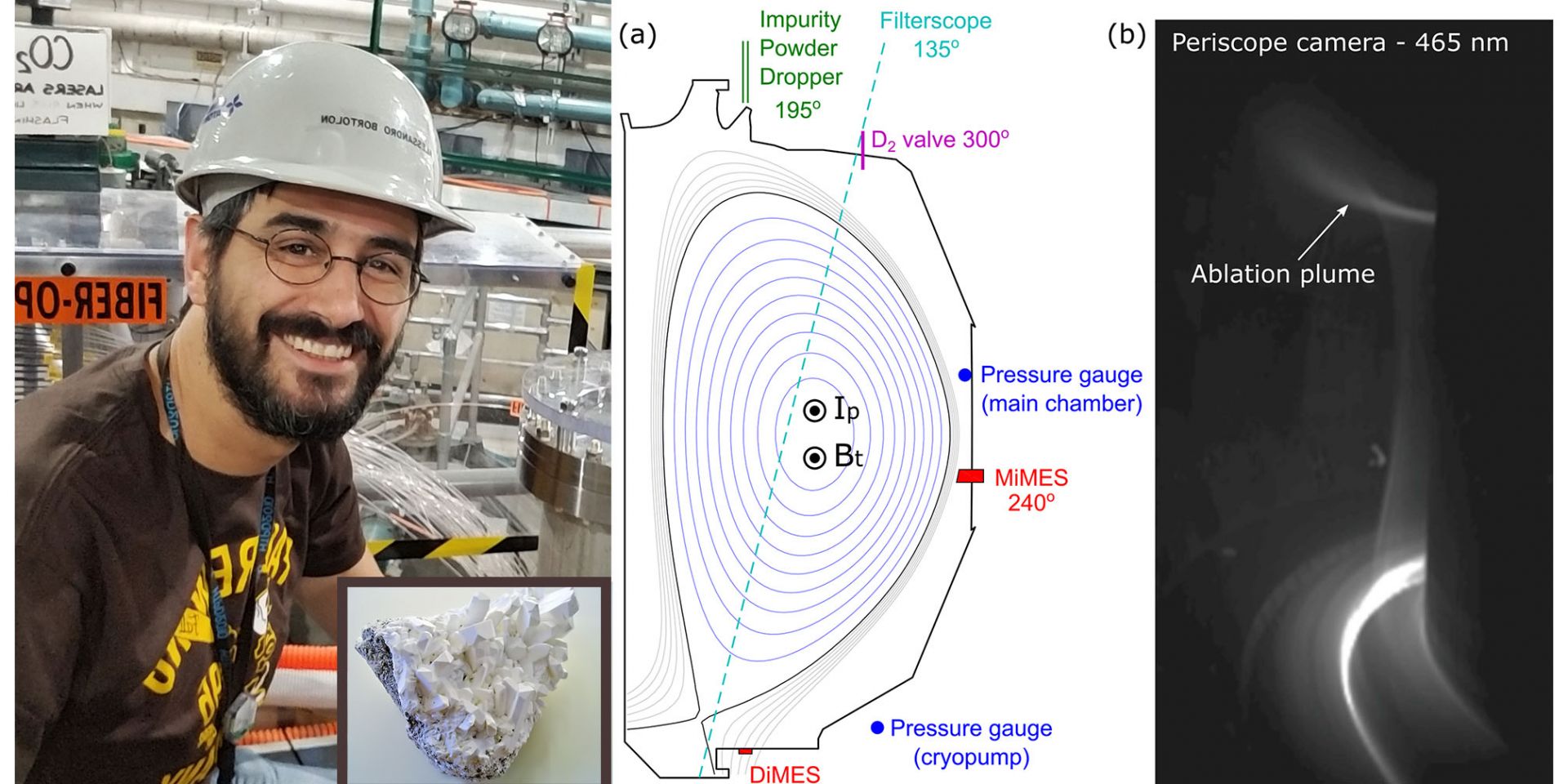
Photos of physicist Alessandro Bortolon and the element boron; graph and photo showing the interior of a tokamak. Credit: Alexander Nagy and Alessandro Bortolon/Collage courtesy of Elle Starkman, PPPL
Research led by scientists at the Department of Energy's Princeton Plasma Physics Laboratory (PPPL) provides new evidence that particles of boron, the main ingredient in Borax household cleaner, can coat internal components of doughnut-shaped plasma devices known as tokamaks and improve the efficiency of the fusion reactions, according to an article published on Phys.org on April 2.
What they found: The researchers found that the boron injection technique makes it easier to produce reliably high-performance plasmas in tokamaks with interior components lined with light elements like carbon, commonly used in present-day devices. The results were derived from experiments on the DIII-D National Fusion Facility that General Atomics operates for the DOE.
More details: The boron layer prevents material transferring from the interior wall into the plasma, keeping it free from impurities that could dilute the main plasma fuel. Fewer impurities make the plasma more stable and reduce the frequency of disruptions. The injection technique could complement or even replace the current technique for laying down boron, which requires shutting down the tokamak for up to several days.
They said it: “Our experiment brings key insights into how this technique works,” said PPPL physicist Alessandro Bortolon, lead author of a paper reporting the findings in the International Atomic Energy Agency’s Nuclear Fusion journal. “The results will help clarify whether the controlled injection of boron powder could be used to support efficient operation of future fusion reactors.”



 2x1.jpg)