Von der Leyen shares regrets, growth plans at European nuclear summit
In 1990, 30 percent of Europe’s electricity came from nuclear power plants. In 2026, it is closer to 15 percent.
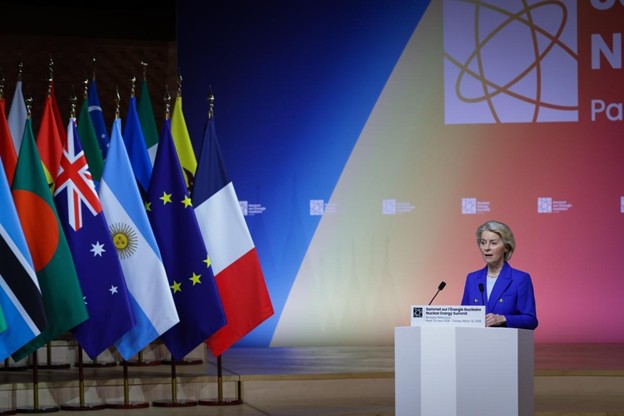
European Commission President Ursula von der Leyen lamented the decline of nuclear energy, calling it a “strategic mistake” when Europe turned its back on a “reliable, affordable source of low-emissions power.”
She made these remarks during her speech before the Nuclear Energy Summit near Paris on March 10. Her speech called for Europe to lead nuclear power into the future, such as by having operational small modular reactors by the early 2030s.
“The nuclear tech race is on. But we know that Europe has everything it needs to lead. We have half a million highly skilled workers in nuclear—far more than the U.S. and China. We lead global innovation in modular reactors. And now we have the ambition to move at speed and scale for Europe to be a global hub of next-generation nuclear energy,” she said.
What Von der Leyen said: Robotics and AI gain more prominence with each passing day. In order to support this technology and to remain competitive, Von der Leyen said “affordable electricity” will be needed. The problem is that Europe depends on fossil fuels for electricity—fossil fuels that they must import.
“Europe is neither an oil nor a gas producer. For fossil fuels we are completely dependent on expensive and volatile imports, putting us at a structural disadvantage to other regions,” she said. “The current Middle East crisis gives a stark reminder of the vulnerabilities this creates.”
To loosen the dependence on fossil fuel imports, Von der Leyen said Europe’s energy portfolio needs to include both nuclear and renewable energy. They need sources that are “clean, affordable, resilient, European,” she added.
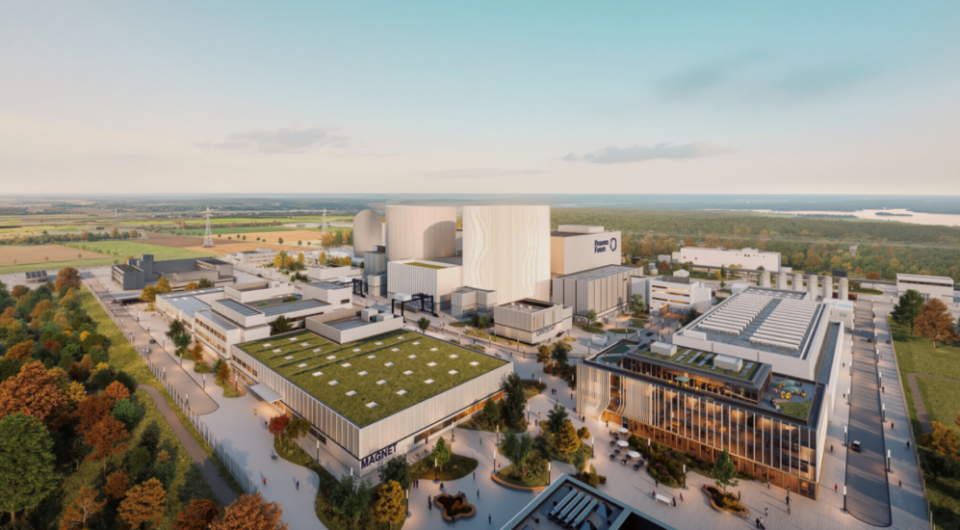
The European Union chief said efforts are underway to grow nuclear energy. Aid rules were changed to expand support for nuclear fission and fuels. An industrial alliance for SMRs was launched. And in the next EU budget, a proposal was presented to invest $5 million Euros for fusion research.
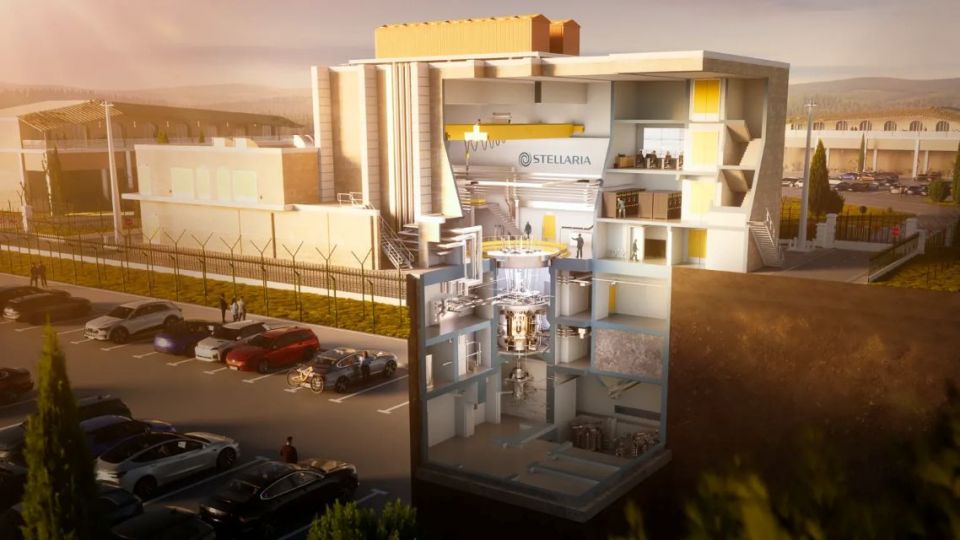
Von der Leyen said the European Union wants SMRs operational in Europe by the early 2030s. To achieve this, the EU will need to work on three goals: simplifying rules so that companies can test innovative technology, increasing investments, and turning the endeavor into a “joint European effort.”
On the investment front, Von der Leyen announced a €200 million (about $230 million) fund to “support private investment in innovative nuclear technologies.”
“Not only will we derisk investments in these low-carbon technologies, we also want to give a clear signal for other investors to join,” she said. “This is one concrete step and part of a broader effort to improve the investment conditions for Europe's nuclear sector.”
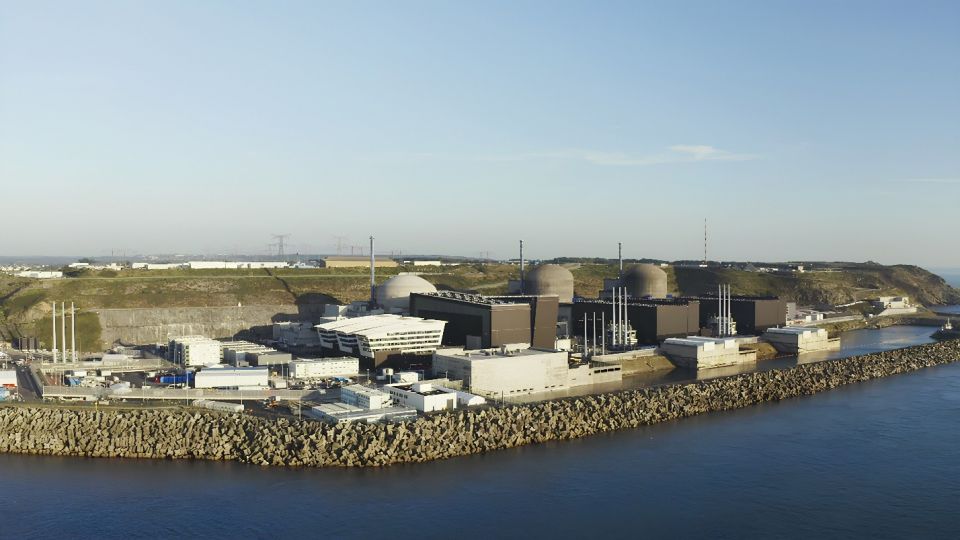
Nuclear support in Europe: This was the second Nuclear Energy Summit, the first being held in Brussels in 2024. France is no stranger to nuclear energy, as France’s current nuclear operating capacity is the second largest in the world, behind the United States.
“Nuclear power is a source of progress and prosperity because it is a source of energy, particularly for electricity generation, which allows us to reconcile three objectives that are central to our ambitions: we want competitiveness, that is, energy produced at the lowest possible cost; we want to solve the planet's problems by reducing CO2 emissions; and we want greater independence,” said French President Emmanuel Macron during the opening ceremony of the summit.
High-ranking European officials continue to voice support for the growth of nuclear energy on the continent. This includes Germany, which shuttered its remaining nuclear reactors in 2023. Earlier in the year, German Chancellor Friedrich Merz said his predecessors made a “serious strategic mistake” in shutting down the country’s nuclear power plants. However, news outlets Wednesday reported Merz saying the phaseout of nuclear energy was “irreversible.”