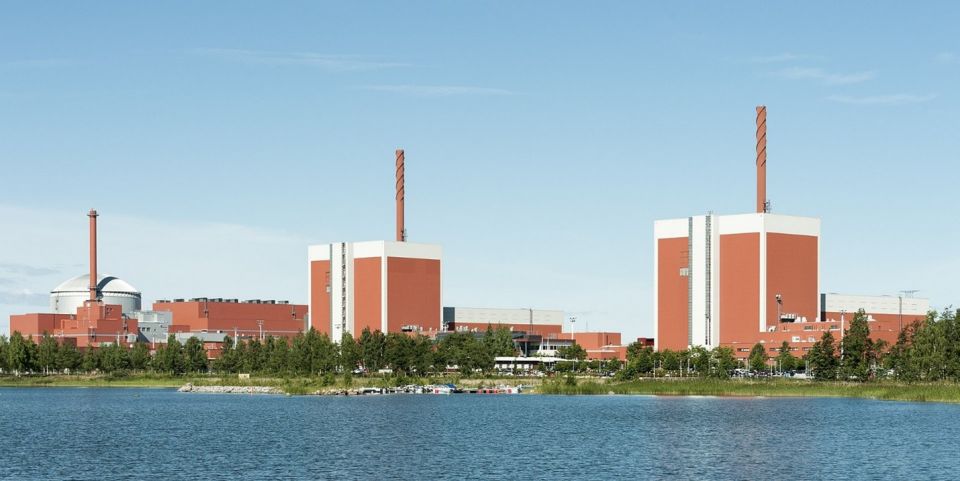
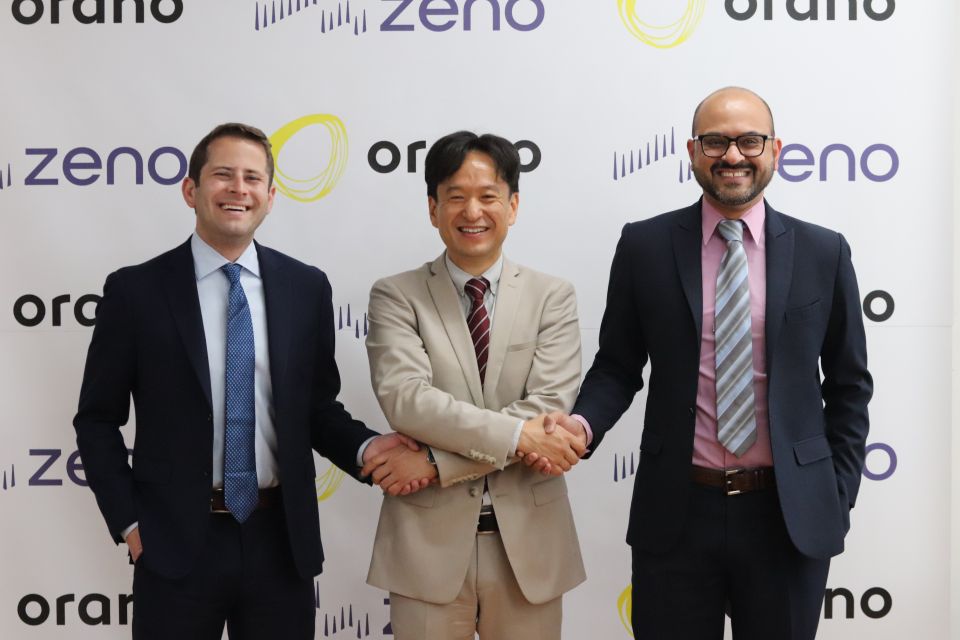
To that end, I am excited to travel in the coming months with ANS Executive Director/CEO Craig Piercy to France, where we will visit both Orano’s fuel recycling operations and ITER, and to Japan, where we will have the opportunity to visit a few nuclear sites, including Fukushima Daiichi. On both trips, Piercy and I will work to continue growing ANS’s global reach and the general positive momentum of nuclear around the world.
Growth in nuclear must also not be thought of as growth in fission alone. As both fission and fusion continue to develop, it is important to keep both sides of our industry in the conversation. To that end, I’ve invited ITER head Pietro Barabaschi and Princeton Plasma Physics Laboratory director Steve Cowley to speak at the Monday plenary of the 2026 ANS Annual Conference. Both have accepted my invitation, ensuring that fusion’s growth will have its deserved time in the spotlight. Fusion will be especially highlighted at this year’s annual conference in Denver, considering that it will feature Technology of Fusion Energy (TOFE) as an embedded topical meeting.
I was particularly reminded of one more important aspect of nuclear growth when in December I attended the Nuclear Energy Systems Workforce Summit in Nashville, Tenn. The goal of that summit was for the organizing universities to gain an understanding from both the industry and government of the academic and technical needs for the future nuclear workforce.
The productive talks I gave and heard at this event served to further emphasize just how important growing the nuclear workforce is, and one of the most important ways to achieve that goal is through educational outreach.
That’s why in the past month I have continued to work on my fundraising campaign to help introduce students to, and generate interest in, nuclear from the kindergarten to college levels.
As momentum on new nuclear projects is already picking up steam in 2026, remember to keep an eye on all the places and in all the ways nuclear is growing. From the international stage to the elementary school classrooms, current momentum promises exciting times ahead.